Give Us A Call! : 18004767078
Give Us A Call! : 18004767078

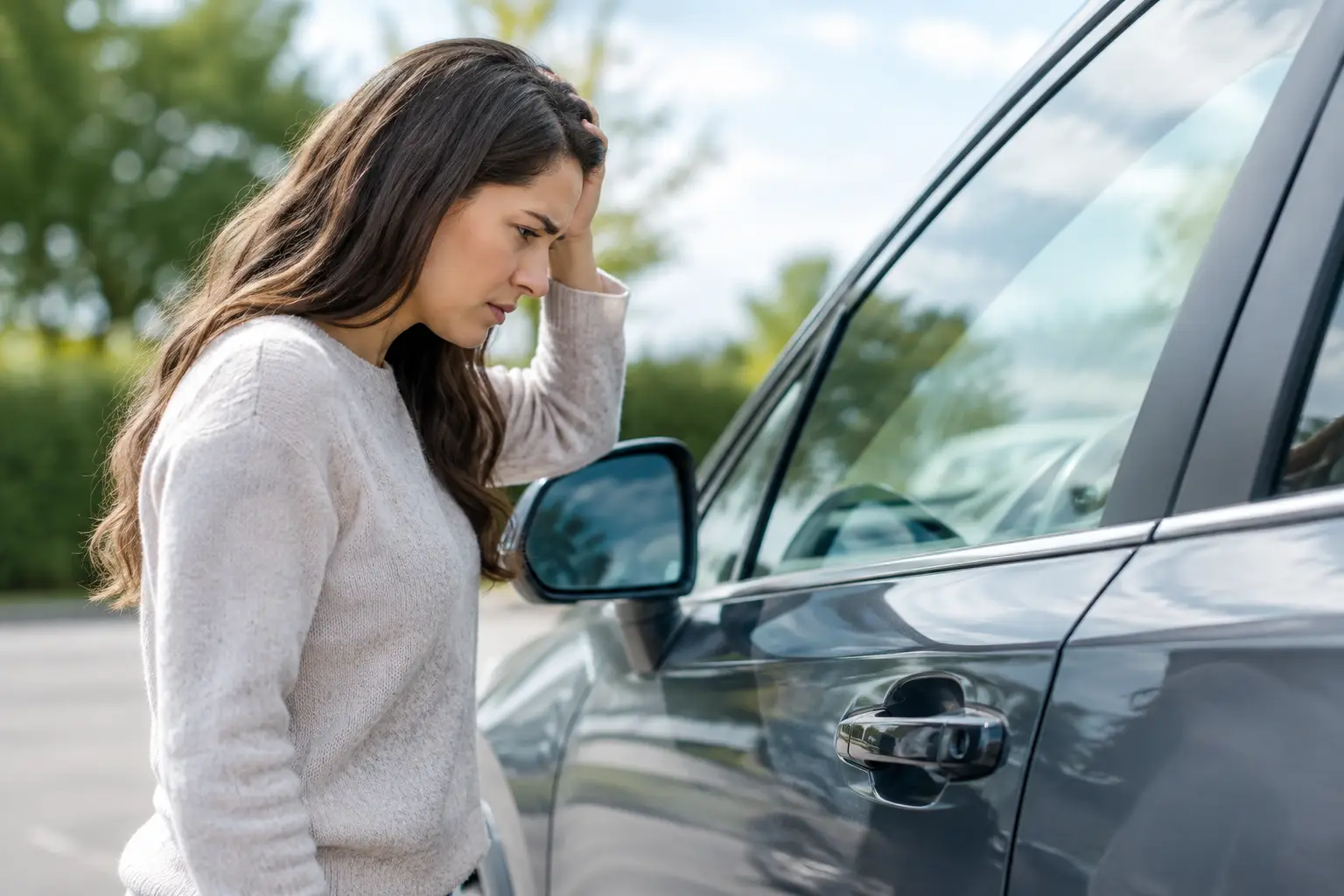
A car lockout rarely happens at a convenient time. It happens when you are late for work, standing in a grocery-store parking lot with cold bags, picking up a child, or arriving home after a long day. These automotive lockout examples can help you recognize what went wrong, protect your vehicle, and decide when it is time to call a professional locksmith for prompt help.
The best response is usually not forcing a door, breaking a window, or trying a random online trick. Modern vehicle locks, keys, and security systems are more complicated than they look. A careful response can save you from a damaged door seal, broken glass, expensive lock repair, or an alarm problem on top of the original lockout.
This is the automotive lockout most people picture: the car is running or recently parked, the doors lock automatically, and the keys are sitting on the seat, center console, or in the ignition. It can happen with older vehicles that have manual locks as well as newer cars with automatic locking features.
If a spare key is nearby, that may be the simplest solution. Otherwise, a locksmith can use professional methods designed to gain entry without damaging the vehicle. Avoid prying at the top of the door or inserting household tools into the window gap. Those attempts can bend the door frame, tear weatherstripping, scratch paint, or interfere with wiring inside the door.
If a child, pet, or vulnerable passenger is locked inside, treat it as an emergency. Call 911 right away, especially in hot, cold, or unsafe conditions. A locksmith can assist when appropriate, but emergency responders should be contacted first when someone inside may be in danger.
Losing a car key is more than an inconvenience when you are miles from your spare. A key may fall from a pocket at a restaurant, get left on a shopping cart, disappear at a park, or slip into a bag you do not have with you. In some cases, the vehicle is not locked, but it still cannot be driven because the key is gone.
The solution depends on the vehicle’s age and key type. A traditional metal key may be replaced differently than a transponder key, remote-head key, smart key, or proximity fob. Many newer vehicles need the replacement key programmed so the car recognizes it. A qualified automotive locksmith can assess the make, model, and key system before recommending the right next step.
There is also a security question. If you believe the key was stolen, not simply misplaced, let the locksmith know. The vehicle may need key programming changes so the missing key no longer starts it. That extra step can be worthwhile when your car, home address, or personal information could be connected to the lost keys.
A weak key-fob battery can create a confusing lockout. You may be able to unlock the car once, then find that the remote does nothing a few minutes later. Some drivers assume the vehicle battery has failed or that the doors are frozen, when the issue is simply the battery inside the fob.
Many fobs contain an emergency mechanical key that can open the driver’s door. The exact location and process vary by manufacturer, so check the owner’s manual when you are not in an emergency. Some push-button-start vehicles also have a designated place to hold the fob when its battery is weak, allowing the car to detect it and start.
Still, a dead fob battery is not always the whole story. Water damage, a cracked fob case, worn buttons, damaged internal components, or a programming issue can cause similar symptoms. If a fresh battery does not solve the problem, professional diagnosis is safer than repeatedly forcing buttons or taking the fob apart without the right tools.
Sometimes the key enters the lock and turns, yet the door remains closed. This can happen with a worn door-lock cylinder, a damaged linkage inside the door, a frozen lock, or a vehicle that has sat unused for a long time. It is frustrating because the key seems close to working.
Do not keep twisting the key harder. A metal key can snap in the lock, creating a more involved repair. If the weather is freezing, use caution with any de-icing product and never pour hot water on the handle or lock. Rapid temperature changes and refreezing can cause further trouble.
A locksmith can determine whether the problem is the key, the cylinder, the latch, or the internal mechanism. This is one of the automotive lockout examples where entry may be possible, but the underlying lock repair should not be ignored. A door that fails once can leave you stranded again.
Keyless entry is convenient until the car displays “Key Not Detected” while the fob is in your hand. Smart-key problems can come from a weak fob battery, electronic interference, a damaged fob, a vehicle battery issue, or a system fault in the car.
Start by moving away from devices that may cause interference and try the backup detection location listed in your owner’s manual. If you have a second fob, test it. When one fob works and the other does not, the problem is likely with the original fob rather than the vehicle.
If neither fob works, or you cannot get into the vehicle at all, call for help rather than repeatedly cycling locks and alarms. Depending on the vehicle, the issue may need automotive locksmith service, roadside assistance, or mechanical repair after entry is gained. The right answer depends on whether the problem is the key system, the lock, or the vehicle itself.
Trunk lockouts are common during busy moments. You set your keys down while loading luggage, tools, groceries, or sports equipment, close the trunk, and realize the keys are inside. Some cars will prevent this under normal conditions, but not every vehicle has that feature, and a malfunctioning fob or battery can change the situation.
If the passenger compartment is open, look for the trunk-release button or rear-seat pass-through described in the owner’s manual. If the entire car is locked, do not try to force the trunk lid or fold seats through the exterior. Modern trunks often have delicate latches, wiring, cameras, and electronic releases that can be costly to repair.
A locksmith can help you regain entry while protecting the lock and body panels. Let the technician know whether the keys are in the trunk and whether the vehicle has an alarm, because that information helps them prepare for the service call.
A key can break after years of wear, especially if it has been bent, copied from a worn original, or used to force a stiff lock. When part of the key remains in the door or ignition, resist the urge to dig it out with a pin, tweezers, screwdriver, or adhesive. Those methods can push the fragment deeper or damage the lock components.
A locksmith has extraction tools made for this type of problem and can inspect the key and lock afterward. If the ignition is involved, the vehicle may need additional ignition repair or a replacement key. Continuing to use a badly worn key after the fragment is removed can lead to the same problem again.
A dead vehicle battery can look like a lockout when electronic locks, remote entry, and power trunk releases stop working. You press the fob, hear nothing, and may not remember where the manual key slot is located. This is especially common after a battery has aged, interior lights were left on, or cold weather reduced battery performance.
Use the mechanical key only as directed by the manufacturer. Once inside, the car may still need a jump-start, battery test, or replacement. If the manual key will not turn or you do not have one available, an automotive locksmith can help with vehicle entry without turning a battery problem into door or lock damage.
A fast service call starts with clear information. Be ready to share your exact location, vehicle year, make, model, and the problem you are experiencing. Tell the locksmith whether the key is locked inside, missing, broken, or not being recognized. If the vehicle is in a parking garage, behind a gate, or in an area with restricted access, mention that too.
For your protection, expect to show identification and proof that you own or are authorized to use the vehicle when possible. If your documents are locked inside, explain that when you call. Professional locksmiths take vehicle ownership seriously.
Handyman Services Silver Spring MD provides responsive automotive locksmith assistance for drivers who need help with car lockouts, lost keys, damaged locks, and ignition concerns. We understand that being stranded is stressful, and we focus on respectful service, careful work, and getting you back to your day as safely as possible.
A spare key, a fresh fob battery, and saved locksmith contact information can prevent a small mistake from becoming a long wait. But if you are locked out now, stay in a safe, visible place, avoid damaging the vehicle, and get dependable help that treats your car with care.

A single cracked bathroom tile…

A garage is often where…

A light that flickers every…

A kitchen can look dated…

A commercial door can look…

Contact Number
18004767078

Email ID
[email protected]