Give Us A Call! : 18004767078
Give Us A Call! : 18004767078

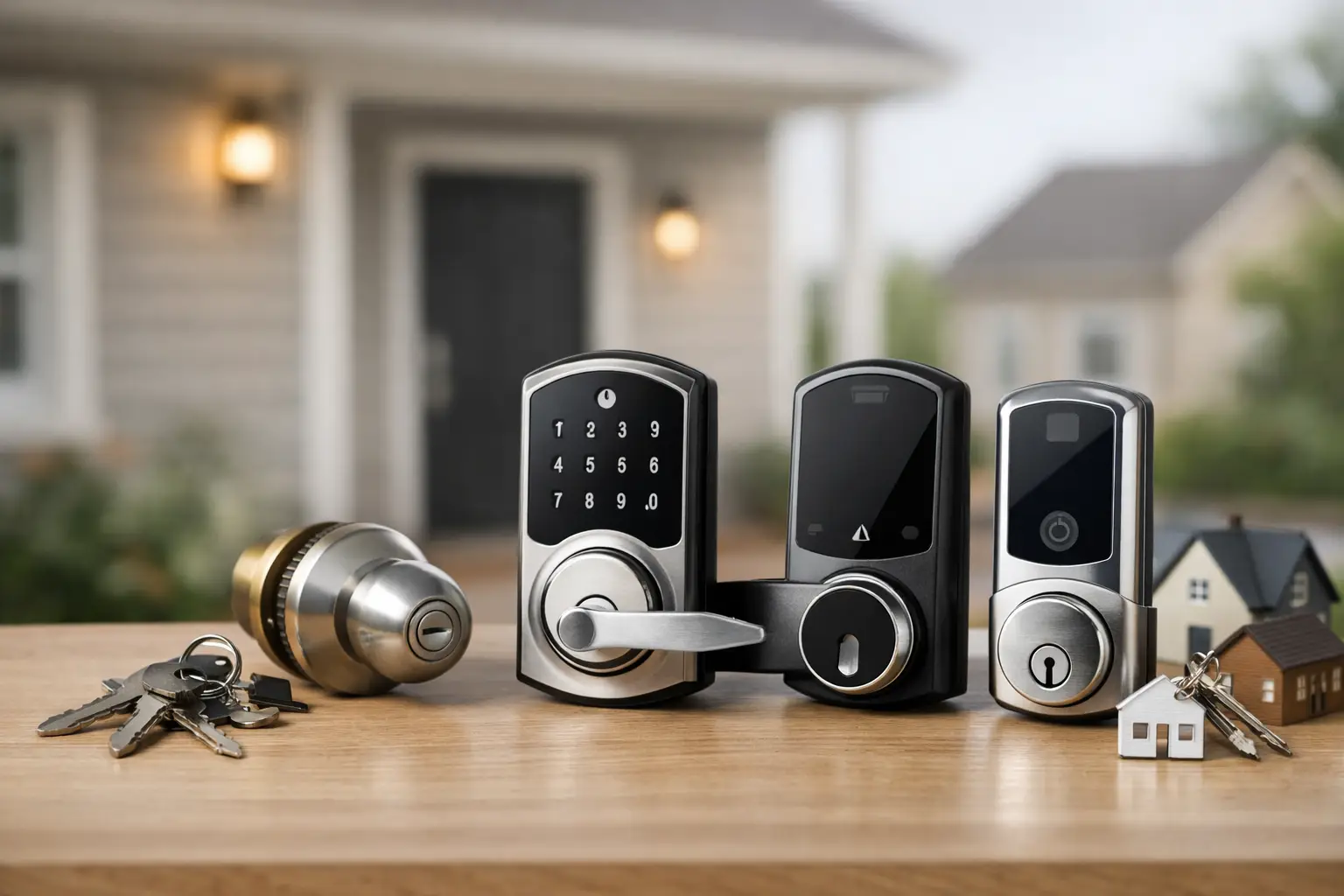
A tenant moves out, the keys are returned, and the unit looks ready for cleaning. But before the next resident gets a key, the lock needs attention. The best locks for rental properties do more than keep a door closed. They help landlords control access, reduce avoidable turnover work, and give new tenants confidence that their home is truly theirs.
For many Silver Spring landlords, the right answer is not the most expensive lock on the shelf. It is a dependable lock that fits the door, holds up to frequent use, can be serviced quickly, and makes key control manageable across one unit or an entire portfolio.
A rental lock has a tougher job than a lock on a home that rarely changes hands. It may see new keys, maintenance visits, showings, contractors, and repeated tenant turnovers. A good choice needs durable hardware, solid installation, and a plan for changing access between residents.
Start with the door itself. A strong lock cannot fully make up for a loose strike plate, a thin door, rotted framing, or long-term misalignment that keeps the deadbolt from extending cleanly. If a tenant has to lift, push, or pull the door to lock it, the problem may be the hinges, frame, or weather stripping rather than the lock cylinder.
For exterior entry doors, a single-cylinder deadbolt is usually the practical starting point. It has a key cylinder outside and a thumb turn inside, allowing occupants to leave quickly without searching for a key. Choose a quality deadbolt with a 1-inch bolt and have it installed with reinforced strike hardware and long screws that reach the wall framing. Those small installation details matter as much as the lock body.
There is no single lock that works perfectly for every rental. A single-family house, a condo, a basement apartment, and a small apartment building have different access needs. The best choice usually comes down to how often keys change hands and how much management the property requires.
A traditional rekeyable deadbolt is a dependable choice for many rental homes. It is familiar to tenants, does not need batteries or an app, and is easy for a qualified locksmith to rekey between residents. Instead of replacing all the hardware after every move-out, the lock cylinder can be adjusted to work with a new key.
This approach is especially useful for landlords who want reliable security without adding technology to every door. Keep a controlled record of who has keys, including maintenance staff and approved vendors. Avoid giving out copies with no tracking, because a lost or unreturned key can become a security concern after move-out.
Rekeying is not always enough. If the deadbolt is worn, the key sticks, the latch is damaged, or the hardware is a low-grade model that has seen years of hard use, replacement is often the better value. A locksmith can assess whether the lock is worth servicing or whether a new lock will prevent another service call a few months later.
Keypad deadbolts can make sense for furnished rentals, properties with frequent contractor access, or homes that turn over often. A landlord can change a code instead of collecting and redistributing physical keys. Temporary codes can also be useful for cleaners, painters, inspectors, or repair technicians.
The trade-off is that electronic locks need attention. Batteries must be replaced before they fail, codes must be removed promptly, and the lock should be tested after every turnover. A keypad lock should still have a dependable key override or another clear backup plan. Tenants need to know what to do if the battery is low or the keypad does not respond.
For a standard annual lease, a keypad may be a convenience rather than a necessity. For a rental with regular showings and service visits, that convenience can save time and reduce the chance of an old key still being in circulation.
Smart locks add remote code management, activity logs, and, on some models, the ability to check whether a door is locked. They can be helpful for landlords who manage multiple units or cannot always be on-site in Silver Spring. A properly selected system allows access codes to be changed without scheduling a visit simply to hand off keys.
Still, smart locks are not hands-off. They depend on compatible doors, batteries, and sometimes Wi-Fi or a bridge device. Not every tenant wants to use an app, and not every property has reliable connectivity at the entry. Before installing one, decide who will manage the account, how emergency access will work, and what happens when a tenant moves out. Resetting ownership and removing old user permissions should be part of the turnover checklist.
Smart locks are best for landlords who will actually use their management features. If no one will maintain the codes, notifications, and battery schedule, a good mechanical deadbolt may be the more dependable option.
Lever locks are easier for many people to operate than round knobs, especially residents with limited grip strength. They can be a practical option for certain entry doors and interior doors, provided they are correctly rated and installed for the location.
For a common entrance, office area, laundry room, or shared storage space, commercial-grade lever hardware may be appropriate. These locations often receive more daily traffic than an apartment entry. Select hardware that matches the door’s use and verify that it does not interfere with fire-rated door requirements, egress, or building rules.
Front and back doors deserve attention first, but they are not the only access points. A rental property’s security plan should include the garage, basement, patio door, and any gate that leads to a private yard or storage area.
Sliding glass doors often need more than their built-in latch. A properly fitted secondary lock or security bar can help prevent the door from being forced or lifted. The door track, rollers, and frame also need repair if the panel does not close tightly. A security device is less useful if the door cannot line up correctly.
Garage doors need working locks and remotes that are managed at turnover. If a former tenant has a remote, it may be necessary to erase old remote programming and issue new access. Side doors leading from the garage into the home should be treated like exterior entry doors and secured with quality deadbolts.
For basement doors, older service entrances, and rear doors hidden from the street, install hardware that matches the risk. These are common weak points because they may receive less routine attention. A loose frame, failing deadbolt, or broken door closer should be repaired before a new tenant moves in.
Landlords often ask whether changing locks after every tenant is necessary. The practical rule is to restore clear control of access before the next tenancy begins. That may mean rekeying a sound lock, replacing worn hardware, or upgrading a lock that no longer matches the property’s needs. Lease terms, local requirements, and the circumstances of the move-out can affect the right process, so keep written records and follow applicable Maryland and local rules.
A rekey is usually appropriate when the hardware is in good condition and you simply need new keys. Replacement is better when the lock is damaged, outdated, poorly installed, or mismatched across the property. An upgrade is worth considering when turnover is frequent, keys are difficult to track, or repeated lockouts are costing time and money.
It also helps to standardize where it makes sense. Using compatible keyways across properties can simplify maintenance access, but only if you have strong key-control practices. Avoid creating a system where one lost master key opens too many doors. A professional locksmith can help balance convenience with security.
Even the best deadbolt can perform poorly if it is installed in a weak door frame. The strike plate should be secured with screws long enough to anchor into framing, not just the trim. The bolt should enter the strike hole fully without binding. If it rubs or only partially engages, the door should be adjusted before calling the job complete.
Check the door viewer, hinges, and exterior lighting at the same time. A tenant should be able to identify a visitor without opening the door, and exterior approaches should not be left dark because of a burned-out fixture. These are straightforward improvements that support the lock rather than asking the lock to solve every security issue alone.
For landlords who need help with lock installation, rekeying, garage access, or a door that will not latch correctly, Handyman Services Silver Spring MD can address the lock and the related repair work in one visit. That is useful when the issue turns out to involve a warped door, damaged trim, loose hinges, or a strike plate that needs to be reset.
A rental turnover can be busy enough without wondering who still has a key. Choose hardware that fits the property, service it before it fails, and make access control a routine part of every move-out. Your next tenant will notice the difference the moment the door closes securely behind them.

A single cracked bathroom tile…

A garage is often where…

A light that flickers every…

A kitchen can look dated…

A commercial door can look…

Contact Number
18004767078

Email ID
[email protected]