Give Us A Call! : 18004767078
Give Us A Call! : 18004767078

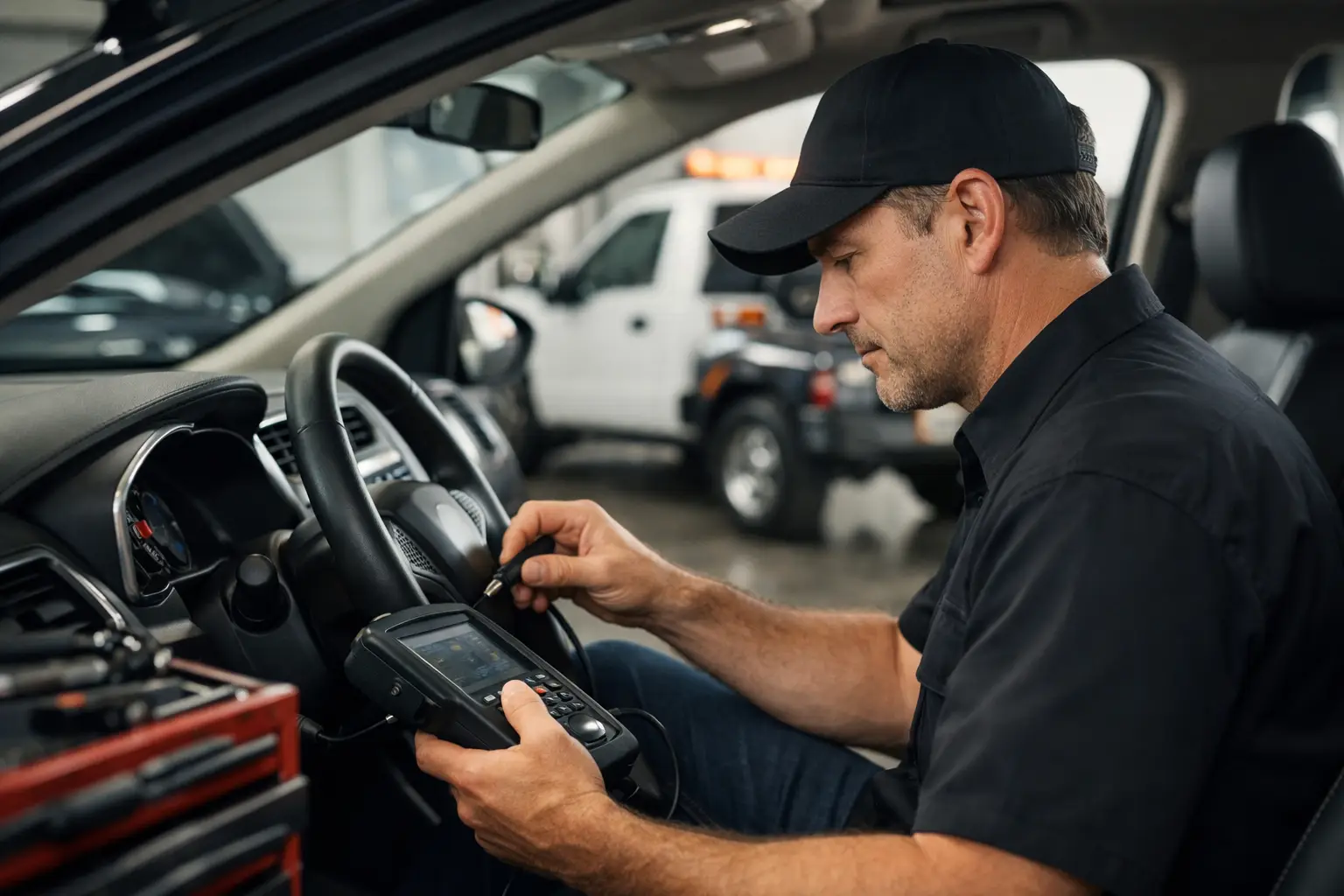
Your key turns halfway, the dashboard stays dark, and you are stuck in a parking lot with no clear next move. It is a frustrating problem, especially when you are trying to get to work, pick up a child, or manage a rental property. Can a locksmith fix ignitions? In many cases, yes. A qualified automotive locksmith can diagnose and repair many ignition problems right where your vehicle is parked.
The right solution depends on what failed. Sometimes the problem is inside the ignition cylinder. Other times, the key is worn, the steering wheel lock is under pressure, the battery is weak, or an electronic component needs dealership-level diagnosis. A professional should identify the cause before replacing parts that may not be the real issue.
An automotive locksmith can often repair, rebuild, rekey, or replace a mechanical ignition cylinder. This is the part of the vehicle where you insert and turn a traditional key. The small pins and springs inside that cylinder wear over time, particularly on older vehicles or vehicles that carry a heavy key ring every day.
If the key will not insert, will not turn, gets stuck, or turns without starting the vehicle, an ignition cylinder may be the problem. A locksmith may be able to service the cylinder, remove a broken key, create a properly cut replacement key, or install a new ignition assembly. In many situations, the new ignition can be rekeyed to work with your existing door key, saving you from carrying separate keys.
Modern vehicles add another layer. Many use transponder keys, key fobs, push-button starts, immobilizers, and electronic steering locks. A locksmith with the correct equipment may be able to program a replacement key or address a compatible ignition issue. However, some vehicle makes, models, and security systems require dealer programming or repair by an automotive technician. Honest service means telling you when another type of repair is the better answer.
Ignition trouble is often gradual. You may notice the key catching when you turn it, needing to jiggle the key, or taking several attempts before the vehicle starts. Those are warning signs worth addressing before the key stops turning completely.
A problem can also appear suddenly after a key is bent, damaged, or worn down. Keys copied from worn keys can repeat the same problem, because each duplicate carries the wear of the original. A locksmith can inspect the key and cylinder together rather than assuming the ignition itself has failed.
Common ignition-related symptoms include:
Not every no-start condition is an ignition problem. A dead battery, failing starter, fuel issue, damaged key chip, or electrical fault can produce similar symptoms. That is why an on-site assessment is valuable.
If the steering wheel was turned after the vehicle was shut off, pressure may bind the steering lock. Try gently moving the wheel left and right while turning the key with light pressure. Do not force the key. If it still will not turn, stop before you bend or break it inside the cylinder.
Forcing a stuck key can turn a manageable repair into a more involved job. The same goes for spraying random lubricants into the ignition. Some products collect dirt, damage internal parts, or temporarily mask a deeper problem.
A professional locksmith’s work is not limited to opening a locked car door. For the right vehicle and condition, ignition service can include removing a broken key, repairing worn cylinder components, replacing an ignition lock cylinder, cutting a new key, and matching or rekeying components where possible.
Mobile service can be especially helpful when the car cannot be started. Instead of arranging a tow before anyone has looked at the issue, a locksmith may be able to come to your driveway, workplace, apartment complex, or roadside location. That can reduce downtime and help you make a better decision about the next repair step.
For homeowners and landlords, this is also useful when a tenant’s vehicle is blocking a driveway or when a family member is stranded at the property. Handyman Services Silver Spring MD provides locksmith help with a solutions-first approach, including urgent automotive concerns when available.
Some ignition concerns are electronic rather than mechanical. If the key turns normally but the dash displays a security warning, the push-button start does not recognize the fob, or the vehicle has a damaged ignition switch or wiring issue, the repair may require an auto electrician, mechanic, or dealer.
A recall-related ignition issue should also be handled through the manufacturer or an authorized dealer. Likewise, if collision damage has affected the steering column, dashboard, or vehicle computer, the vehicle may need to be towed for a more complete inspection.
This is not a reason to avoid calling a locksmith. It is a reason to call a professional who will diagnose the situation carefully and explain the realistic options. The goal is not to sell an unnecessary replacement. It is to get you safely back on the road.
Before starting work, a reputable locksmith will typically confirm that you own the vehicle or are authorized to request service. Have your photo ID, registration, title, insurance information, or other available proof ready. This protects you and helps prevent unauthorized vehicle access.
The locksmith will inspect the key, ignition cylinder, and visible symptoms. If a repair is possible, they may service or rebuild the existing cylinder. If the cylinder is too damaged, replacement may be recommended. On vehicles with chip keys, the replacement key may need cutting and programming before the vehicle will start.
The final cost depends on the vehicle, the key type, the availability of parts, the extent of damage, and whether the call is routine or after hours. A simple worn-key issue is usually different from a broken key extraction plus ignition replacement and key programming. Ask for a clear explanation of the recommended work before it begins.
First, move to a safe location if you can. Put the vehicle in park, set the parking brake, and avoid repeated attempts to force the key. If you have a spare key, try it once. A spare that turns smoothly may point to a worn original key rather than a failed ignition.
If the key is stuck, do not pull it hard or use pliers. If it has broken off, leave the pieces in place. Removing a broken key without the right tools can damage the cylinder and complicate the repair.
When you call for help, share the vehicle year, make, model, location, and exact symptom. Mention whether the key is stuck, broken, missing, or simply will not turn. Those details help the locksmith arrive prepared and let you know if towing or a different repair provider may be necessary.
A bad ignition can interrupt an ordinary day without warning. Treat the early signs seriously, keep a spare key in good condition, and get professional help before a sticky key becomes a stranded vehicle. A calm diagnosis now can save you time, stress, and a much bigger repair later.

A single cracked bathroom tile…

A garage is often where…

A light that flickers every…

A kitchen can look dated…

A commercial door can look…

Contact Number
18004767078

Email ID
[email protected]