Give Us A Call! : 18004767078
Give Us A Call! : 18004767078

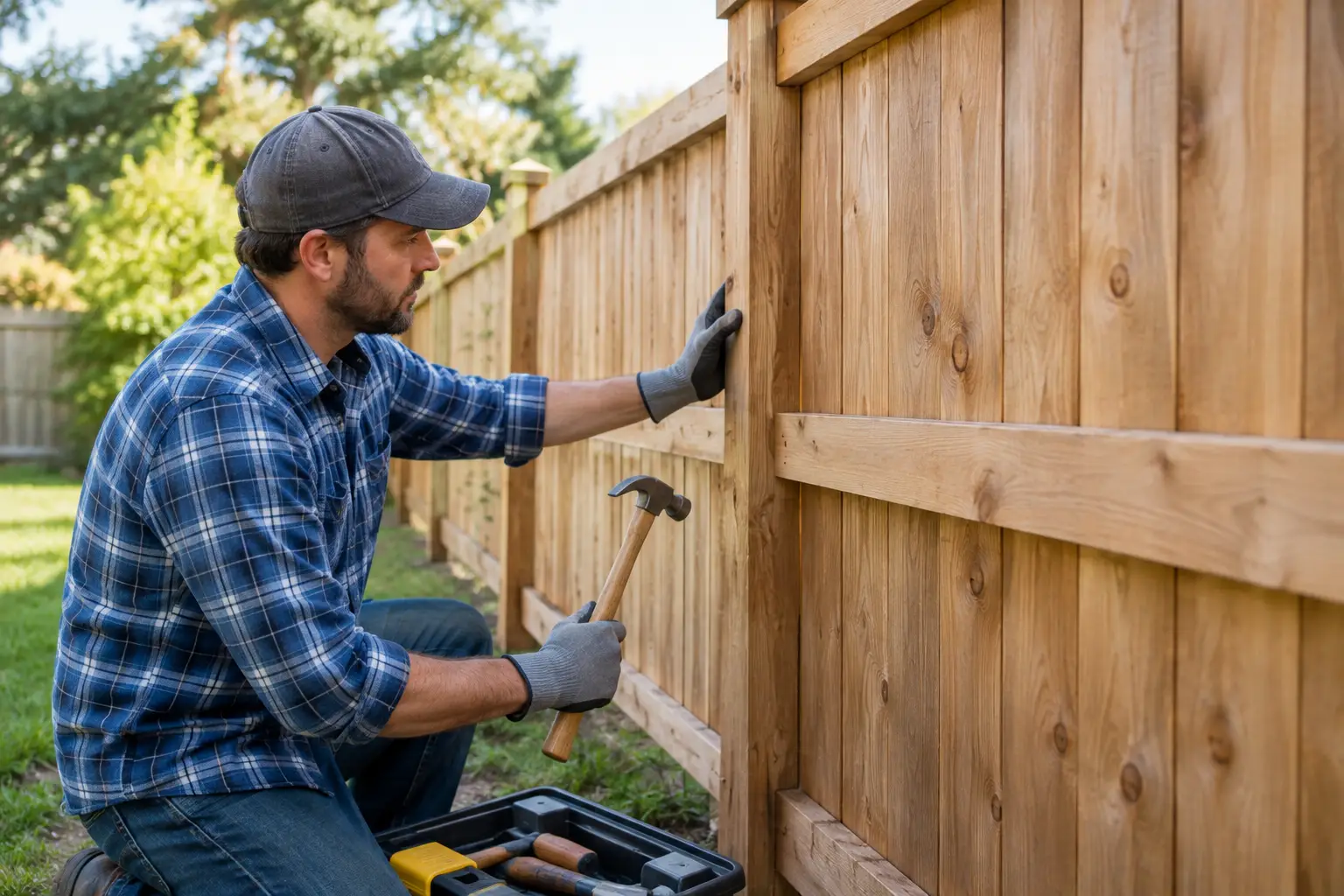
A leaning fence can make an otherwise well-kept yard look neglected fast. Worse, loose panels, rotted posts, and sagging gates can create a safety concern for children, pets, tenants, and neighbors. A well-planned fence repair project addresses the cause of the problem, not just the board or panel that happens to be visible from the street.
For homeowners and landlords in Silver Spring, fence damage often builds gradually. Moisture at ground level, summer storms, shifting soil, aging fasteners, and vines growing through the structure can all take a toll. The right repair may be quick and targeted, but it may also reveal that a few weak posts are affecting an entire run of fencing. Knowing the difference helps you spend wisely and avoid having to redo the work next season.
Walk both sides of the fence before buying lumber or calling for repairs. Look closely at the posts, rails, pickets or panels, gate hardware, and the ground around the fence line. A broken picket is usually a simple carpentry repair. A post that moves when pushed is a more serious concern because posts carry the weight and keep the fence aligned.
Pay attention to patterns. If one panel has storm damage while the rest of the fence is straight and secure, replacing that section may be enough. If several sections lean in the same direction, the posts may be failing below grade or the rails may no longer be supporting the panels. Covering that problem with a new panel will not make the fence stable.
Wood fences commonly fail from rot where the post meets the soil. Even pressure-treated lumber has a service life, especially in damp or poorly drained areas. Metal fences may rust at joints or have bent sections after impact. Vinyl fencing can crack in cold weather or shift when its supporting posts loosen. Each material needs a different repair approach, but the inspection principle is the same: fix the structural issue first.
A dragging or sagging gate is often the first sign that a post is leaning. Check whether the gate latches without lifting it, whether hinges are pulling away from the post, and whether the opening is still square. Sometimes new hinges, screws, and a latch adjustment solve the problem. Other times, the hinge post needs to be reset before the gate can work properly again.
Do not force a gate closed or add random blocks under it as a long-term solution. That can stress the frame and make daily use frustrating. A properly aligned gate should swing freely, latch securely, and keep pets and children inside the yard where they belong.
A fence repair project does not always mean replacing an entire fence. Repairing only what is needed can protect your budget and preserve good materials. The choice depends on the age of the fence, the extent of the damage, and whether replacement materials can reasonably match what is already there.
Replacing individual pickets makes sense when the rails and posts are firm. This is common when a few boards have cracked, warped, or been damaged by a fallen branch. Replacing a rail can also be practical if the posts remain solid and the rest of the panel is in good shape.
A full section replacement is usually the better choice when multiple rails are weak, panels are loose, or the pickets have widespread rot. It is often more efficient to remove one failing section, install new rails and pickets, and reconnect it properly than to keep patching several weak pieces. If posts are rotted or loose, they should be replaced or reset before new fence materials go up.
For landlords, it is worth considering how the repair will hold up to regular use. A small patch may be appropriate for a low-traffic side yard. A gate used every day by tenants, landscapers, or trash collection crews may need stronger hardware and more durable post work. Good repairs should fit the way the property is actually used.
Matching the existing style matters, but durability matters more. A replacement board that looks close enough but is not rated for exterior use will create another repair need sooner than expected. For wood fences, exterior-rated, pressure-treated lumber is often a practical choice for posts and ground-contact components. Cedar may be preferred for its appearance and natural resistance to decay, though it can cost more.
Fasteners deserve attention, too. Exterior screws or galvanized hardware help prevent rust stains and early failure. Nails can be appropriate for certain fence installations, but screws make future board replacement easier and often provide a more secure hold for repairs. Hardware should be selected for outdoor exposure and the fence material being used.
With vinyl or metal fencing, replacement parts should fit the original system. Forcing a slightly different panel, rail, or bracket into place can weaken the repair and leave an obvious gap. If a specific style has been discontinued, a professional can help determine whether a compatible part, a rebuilt section, or a larger replacement is the most sensible option.
Before moving a fence line or replacing posts near a boundary, confirm where the property line is. A fence that has stood in one spot for years is not always placed exactly on the line. This matters most when replacing an entire run, changing the fence height, or working beside a neighbor’s yard.
Silver Spring homeowners may also need to consider county requirements, neighborhood association rules, and utility locations. Requirements can vary based on fence height, location, lot type, and whether the work involves a new installation rather than a like-for-like repair. When digging new post holes, always have underground utilities marked first. A damaged utility line can turn a routine outdoor repair into a costly emergency.
Talking with a neighbor before visible work begins is also a good practice. You do not need to wait for a disagreement to communicate. Letting them know about access needs, noise, or a temporary opening in the fence can keep a straightforward repair neighborly.
The visible boards get attention, but the preparation work determines whether the repair lasts. Old concrete, rotted post remnants, buried roots, and uneven soil can slow down a project. Posts need proper depth, stable positioning, and enough time to set before they carry the weight of rails and panels.
Drainage is another concern. If water regularly pools along the fence, new wood posts may face the same moisture problems as the old ones. In some cases, adjusting soil grade, clearing debris, or redirecting runoff can protect the repair. If a fence is being pushed by a hillside or retaining issue, the work may need a broader exterior-maintenance solution rather than a simple panel replacement.
A clean job also includes removing old materials safely. Broken boards can have exposed nails, and damaged panels can be awkward to carry through a narrow side yard. Homeowners should not have to leave piles of splintered lumber or rusted hardware at the curb after getting their yard back in order.
A handy homeowner may be able to replace a few boards or tighten a loose latch. But leaning posts, large sections of damage, gates that no longer align, and fencing near utilities are good reasons to bring in experienced help. The same is true when the repair requires carpentry, concrete work, grading, painting or staining, and hardware replacement in one coordinated visit.
Handyman Services Silver Spring MD can help homeowners and property managers evaluate worn fencing, repair damaged sections, replace posts and rails, and address the related exterior issues that often come with an aging fence. A licensed, bonded, and insured local team can also help schedule work around your property needs, whether the concern is a backyard privacy fence, a rental-property gate, or a commercial perimeter that needs attention.
Getting professional help does not mean replacing more fence than necessary. A good repair plan explains what can be saved, what should be replaced, and why. That gives you a clear path forward instead of a temporary patch that fails after the next heavy rain or windstorm.
A fence should do its job quietly: define the yard, provide privacy, secure the space, and make coming home feel more comfortable. Address the loose post, damaged panel, or stubborn gate while it is still a manageable repair, and your property will be better protected for the seasons ahead.

A countertop takes more daily…

A single cracked bathroom tile…

A garage is often where…

A light that flickers every…

A kitchen can look dated…

Contact Number
18004767078

Email ID
[email protected]