Give Us A Call! : 18004767078
Give Us A Call! : 18004767078
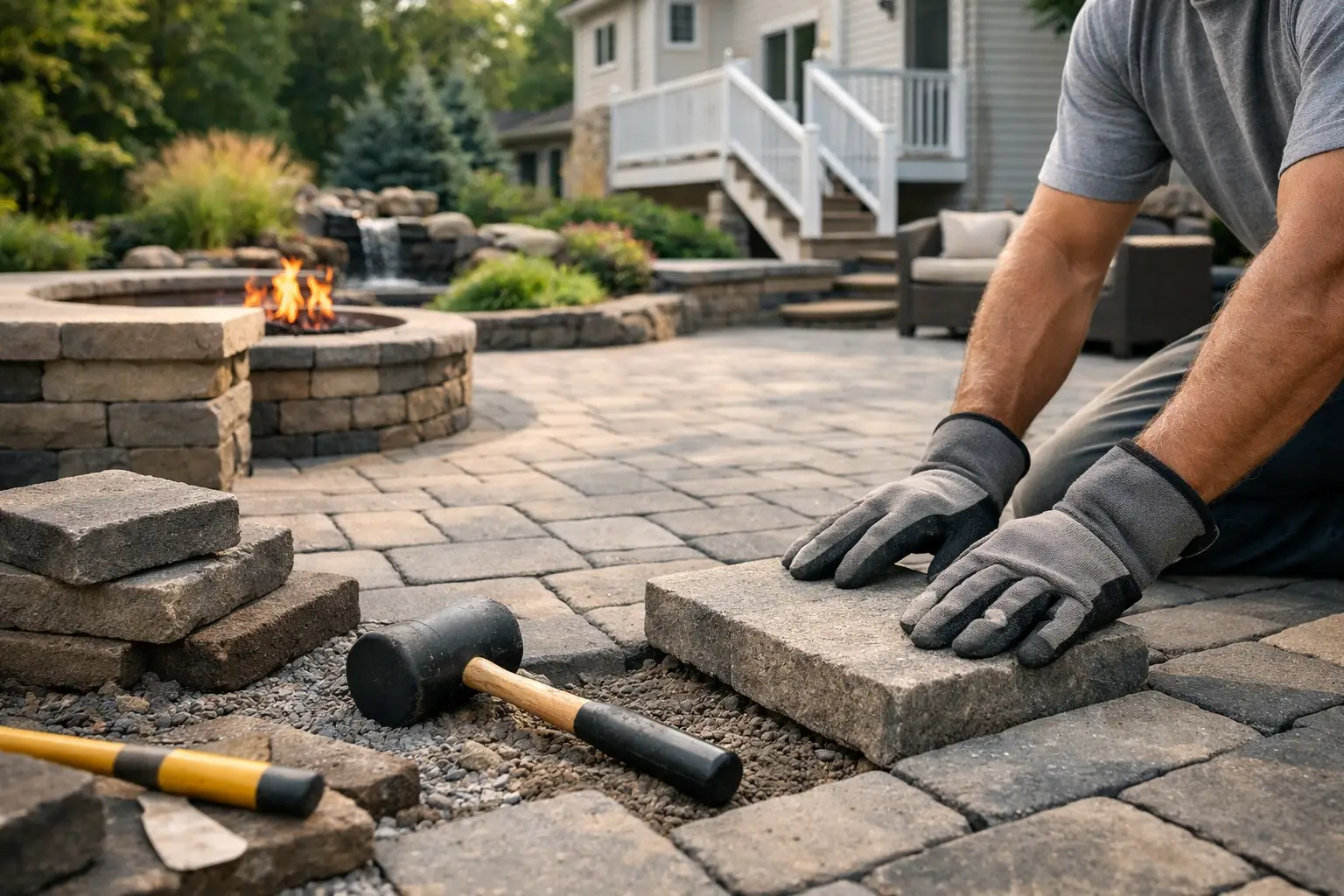
A muddy path from the driveway to the front door, a patio that puddles after every rain, or a sloped yard that keeps washing out can make a property feel harder to manage than it should. Hardscape installation Silver Spring homeowners choose should solve those everyday problems while making the outdoor space easier to enjoy, maintain, and show off.
Hardscaping is the permanent framework of your yard: patios, walkways, retaining walls, steps, edging, stone features, and other built surfaces. Unlike plants and grass, these elements carry foot traffic, direct water, define usable areas, and give a property a finished look through every season. The best project is not always the largest one. Often, a well-placed walkway, a properly graded patio, or a small retaining wall makes the biggest difference.
Before choosing pavers or stone colors, look at how your property is used. A family that grills and hosts neighbors may need a larger patio with a stable seating area. A landlord may need a durable path that helps tenants get from the parking area to the entrance without tracking mud indoors. A homeowner with a steep backyard may need steps and retaining support before landscaping can hold up.
Drainage should be part of the conversation from the beginning. Silver Spring gets its share of heavy rain, and water does not disappear just because a new patio is installed. If a surface is not graded correctly, water can collect against the house, settle between pavers, or run toward a neighbor’s property. A professional installation plans for slope, base material, edge restraint, and water flow before the finished surface goes in.
It also helps to consider access. Where do people naturally walk? Where do trash bins sit? Is there enough room to open a gate, carry groceries, or move outdoor furniture? A hardscape that looks good but blocks daily routines can become frustrating fast.
Every property has different space, soil, drainage, and budget considerations. These are some of the most useful hardscape improvements for local homes and rental properties.
A patio can turn an unused backyard corner into a place for meals, quiet mornings, and weekend gatherings. Concrete, brick, natural stone, and concrete pavers all offer different looks and maintenance needs. Pavers are popular because individual units can often be repaired or replaced if settling occurs. Concrete can provide a clean, practical surface and may be a smart choice for a simple, budget-conscious design.
Material choice depends on the look you want and how the space will be used. Natural stone has character, but material and labor costs can be higher. A basic paver patio may offer more pattern options and easier future repairs. What matters most is not simply the surface material. The excavation and compacted base below it are what help the patio stay level over time.
A front walk is one of the first things guests see, but it also needs to work in bad weather. A solid walkway can replace a worn dirt trail, improve access to a side gate, or connect a driveway to a backyard patio. For rentals and busy households, this small improvement can reduce mud, slippery areas, and lawn damage.
Walkways should be wide enough for comfortable use and built with a clear route in mind. Curves can soften the appearance of a yard, while straight lines may suit a more formal front entrance. The right choice depends on the home and the surrounding landscape, not just what is popular in a photo.
A slope can limit how much of a yard is actually usable. Retaining walls help hold soil in place, create level planting or seating areas, and manage grade changes near patios and walkways. They can be built from block, stone, or other materials selected to complement the house and existing outdoor features.
Retaining work deserves careful planning. A wall that is too tall, lacks proper drainage, or is built without a stable base can shift, crack, or fail. In some cases, permits, engineering, or additional site review may be needed. This is one area where taking shortcuts can create a much more expensive repair later.
Steps are another important safety feature when a yard changes elevation. Outdoor steps need consistent rise and run, firm footing, and a layout that feels natural to use. If lighting, fencing, deck work, or railings are part of the project, coordinating those details early can prevent awkward changes after the hardscape is complete.
A finished patio or walkway can look great on installation day even if the preparation was rushed. The difference usually shows up later, when surfaces settle, edges spread apart, weeds push through gaps, or water starts pooling where it should not.
Proper hardscape installation begins with site preparation. The work area is measured and marked, existing material is removed, and the ground is excavated to the depth required for the chosen system. A compacted aggregate base provides support, while bedding material helps create a level setting surface for pavers or stone. Edging keeps the layout from moving outward over time, and joints are finished to help lock the surface together.
The exact process changes with the material and site conditions. A simple garden path does not need the same construction as a patio designed for furniture, regular gatherings, and a grill. A driveway-adjacent area may need more support than a low-traffic side path. Good planning accounts for the actual load and use of the space.
Hardscape materials should work with the home’s exterior, but they also need to fit your willingness to maintain them. Brick brings a classic look that works well with many Silver Spring homes. Concrete pavers come in a wide range of shapes, colors, and patterns. Natural stone can feel timeless and distinctive. Poured concrete offers a straightforward, durable surface that can be finished in different textures.
No material is completely maintenance-free. Pavers may need occasional joint sand and resetting if individual areas move. Concrete can crack over time, particularly where soil movement and freeze-thaw cycles are involved. Stone may need periodic cleaning and attention to loose pieces. The goal is not to promise a surface that never changes. It is to choose a material and installation method that make future upkeep reasonable.
Color is another practical decision. Very light surfaces can show dirt and leaf stains more easily, while very dark materials can become hot in direct summer sun. Textured finishes may offer better traction near entries, pools, or shaded areas where moisture lingers.
Hardscape work often connects to other repair and improvement needs. A new patio may reveal that an old fence needs repair. New steps may call for a handrail. Grading may lead to gutter, drainage, or exterior maintenance concerns. For homeowners and property managers, coordinating those related tasks can save time and reduce the hassle of calling several different providers.
Handyman Services Silver Spring MD can help homeowners and landlords think through hardscaping alongside deck repairs, fencing, concrete work, exterior upkeep, carpentry, and other property needs. That practical, one-call approach is especially helpful when a project involves more than just laying pavers.
Before work begins, make sure the project scope is clear. Discuss the size and shape of the area, chosen material, border details, drainage approach, access for equipment, and what happens to excavated soil or old concrete. If you have a homeowners association or local permit requirements, address them before materials arrive. A little preparation avoids delays and last-minute design changes.
Not every worn hardscape needs to be torn out. A few sunken pavers, loose steps, damaged edging, or cracked sections of concrete may be repairable. Targeted repairs can be a sensible option when the base is still sound and the problem is limited to one area.
Replacement makes more sense when there is widespread settling, drainage failure, major cracking, or a layout that no longer fits how you use the property. It depends on the condition of the existing work and whether repairing one section will simply shift the problem elsewhere. An honest assessment should explain both options rather than pushing a bigger project by default.
A hardscape project should make outdoor life simpler. Whether you need a safe front walkway, a dependable patio, steps for a sloped yard, or a repair to an aging retaining feature, focus on a design that handles water well, fits your daily routine, and is built to hold up. The right improvement gives you one less property problem to worry about every time you step outside.

A countertop takes more daily…

A single cracked bathroom tile…

A garage is often where…

A light that flickers every…

A kitchen can look dated…

Contact Number
18004767078

Email ID
[email protected]