Give Us A Call! : 18004767078
Give Us A Call! : 18004767078
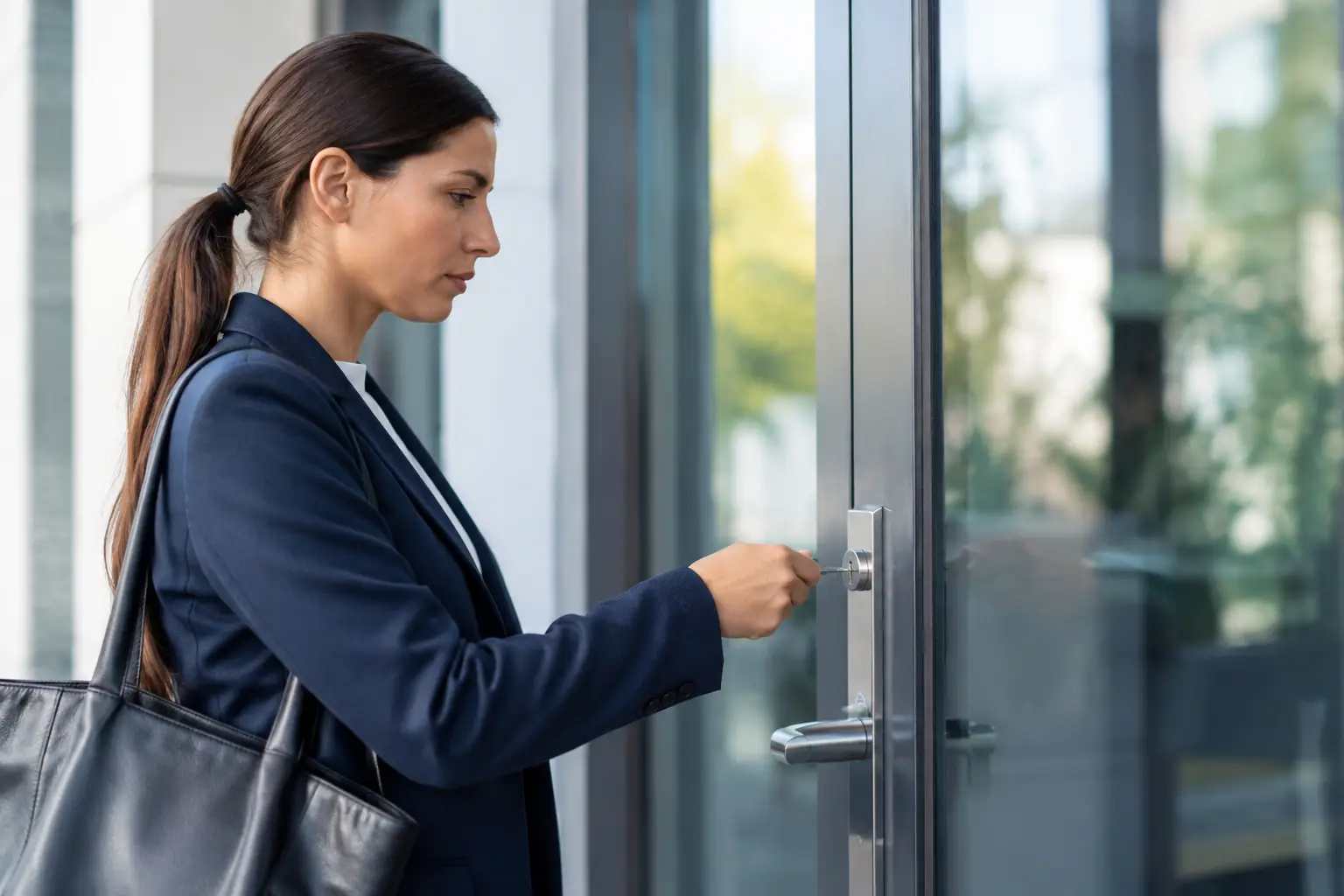
The best lockout response example is not a dramatic forced entry. It is a calm, organized call for help that gets you safely back into your home, vehicle, or business without causing avoidable damage. If you are standing outside with groceries, late for work, worried about a child or pet inside, or unable to access a rental property, knowing what to expect can make a stressful moment more manageable.
A professional locksmith response starts with listening. Where are you? What type of property or vehicle is involved? Is anyone in immediate danger? From there, the goal is simple: send qualified help, confirm you have the right to access the property, use the least destructive entry method available, and make sure the lock still works properly when the job is done.
Picture a homeowner in Silver Spring who steps outside to take out the trash, and the door closes behind them. Their keys, phone charger, and purse are inside. It is getting dark, and a child will be home soon from an after-school activity.
The response begins when the homeowner calls for locksmith service and explains the situation. The dispatcher gathers the address, a callback number, the type of door, and any urgent details. If there is a safety concern, such as a young child alone inside, a stove left on, or a medical issue, say so immediately. That information helps determine the right level of urgency.
Once a locksmith arrives, the technician will usually ask for identification or another reasonable form of proof that you live there. Identification may be inside the locked home, and that is common. In that case, the locksmith may ask you to provide proof after entry, such as an ID with the address, a lease, or another form of verification. This step protects homeowners, tenants, landlords, and neighbors from unauthorized access.
After verification, the locksmith evaluates the door and lock. A standard locked knob, deadbolt, smart lock, or high-security lock may require a different approach. Whenever practical, the technician works to gain entry without damaging the door, frame, lock, or hardware. Once you are inside, they test the lock and keys before leaving.
That last step matters. Getting the door open is only part of the service. If a worn latch, misaligned strike plate, damaged key, or failing deadbolt caused the lockout, fixing the underlying issue can prevent another late-night call.
A vehicle lockout calls for the same calm approach, but the details change. A driver may have locked keys in the car at a shopping center, misplaced a key fob at home, or discovered that the key will not turn in the ignition before an early commute.
A helpful automotive lockout call includes the vehicle make, model, year, location, and whether the keys are visible inside. Tell the locksmith if the car is running, if a child or pet is inside, or if you are in an unsafe location. For an immediate life-safety emergency, call 911 first.
On arrival, a locksmith should verify ownership before opening the vehicle. Registration, insurance information, and a driver’s license are useful, though documents may also be locked inside. The technician can explain what proof is needed in your particular situation.
Modern vehicles are not all alike. Some use traditional keys, while others use transponder keys, push-button start systems, remote fobs, or proximity access. A qualified automotive locksmith selects methods and tools suited to the vehicle, with care for weather stripping, door mechanisms, and electronic components. If the problem is a broken key, damaged ignition, or failed fob rather than a simple lockout, the locksmith can explain the repair or replacement options before work begins.
For a landlord, office manager, or small-business owner, a lockout can affect more than one person. A maintenance employee may be unable to enter a vacant unit, a retail manager may arrive without the store keys, or a tenant turnover may reveal that old keys are still in circulation.
In a commercial lockout response example, the locksmith first identifies the authorized contact. This may be the business owner, property manager, facilities contact, or an employee named in advance. Commercial access needs more documentation because the locksmith must protect the business, its employees, inventory, and records.
The locksmith then assesses the entry point and access system. A storefront cylinder, office deadbolt, panic bar, restricted key system, keypad, or access-control door all require different decisions. Opening the door may be the immediate need, but the conversation should also cover whether the existing lock is still secure.
For example, if keys were lost after an employee separation, simply opening the door may not be enough. Rekeying the lock can make old keys stop working while allowing the business to keep its existing hardware. If the hardware is worn or security needs have changed, replacing the lock may be the better long-term value. The right answer depends on the condition of the door, the level of access needed, and the budget for the property.
You do not need locksmith vocabulary to make a useful call. Clear facts are enough. Start with your location and a callback number. Then explain whether you are locked out of a home, car, garage, office, or rental property. Mention the lock type if you know it, but do not worry if you do not.
Share anything that affects urgency. A child, pet, vulnerable adult, active appliance, extreme weather, or unsafe parking location should be mentioned right away. You should also say whether the keys are lost, locked inside, broken in the lock, or simply not working.
Before dispatch, it is reasonable to ask about availability, the service-call process, and what identification will be required. A professional provider should communicate clearly, give you practical next steps, and avoid making promises they cannot keep. Exact pricing can depend on the lock, vehicle, time of service, travel distance, and whether repairs or replacement parts are needed after entry.
When you are locked out, it is tempting to try a window, force a door, remove a lock, or use advice from a video. Those attempts often turn a simple service call into a door, window, frame, or lock repair. They can also create a security problem if the lock no longer latches correctly afterward.
A professional locksmith brings the right tools, training, and judgment for the situation. That does not mean every lockout is identical or that every door can be opened without any repair. Some damaged locks, broken keys, malfunctioning electronic systems, or heavily worn hardware require more work. What matters is that you are told what is happening and why before major repairs are made.
For rental properties, there is another consideration: lease terms and local requirements. Tenants should contact the landlord or property manager when possible, especially if a lock replacement may be needed. Landlords should keep current authorization procedures and emergency contact details so a lockout does not become a long delay for a tenant.
Take a few minutes to reduce the chance of another lockout. Test every key, including spare keys. If the key sticks, turns roughly, or only works when pushed a certain way, ask about repair before it fails completely. Check whether the door closes smoothly, since a sagging door or misaligned strike can put extra stress on a deadbolt.
For homes, consider a spare key plan that does not involve hiding a key in an obvious outdoor location. For vehicles, replace weak fob batteries before they fail and keep a reliable backup plan. For businesses and rental properties, maintain a current key record and update access after tenant or staffing changes.
Got locked out of your car, home, garage, or office? The next step does not have to be guesswork. A prompt call, clear information, and a qualified local locksmith can turn an upsetting interruption into a safe return to your day.

A single cracked bathroom tile…

A garage is often where…

A light that flickers every…

A kitchen can look dated…

A commercial door can look…

Contact Number
18004767078

Email ID
[email protected]