Give Us A Call! : 18004767078
Give Us A Call! : 18004767078
A former tenant still has a key. Your purse was stolen. The front-door key turns, but the lock feels loose and unreliable. These situations call for a fast security decision, and rekeying versus lock replacement is usually the first question homeowners and property owners ask. Both services can stop old keys from working, but they solve different problems and come with different costs, benefits, and limits.
For many Silver Spring homes, a locksmith can rekey a good lock and restore control of who has access without changing the hardware on the door. In other cases, replacement is the safer choice because the lock is worn, damaged, outdated, or simply not strong enough for the door it protects. The right answer starts with the condition of the lock, not just the missing key.
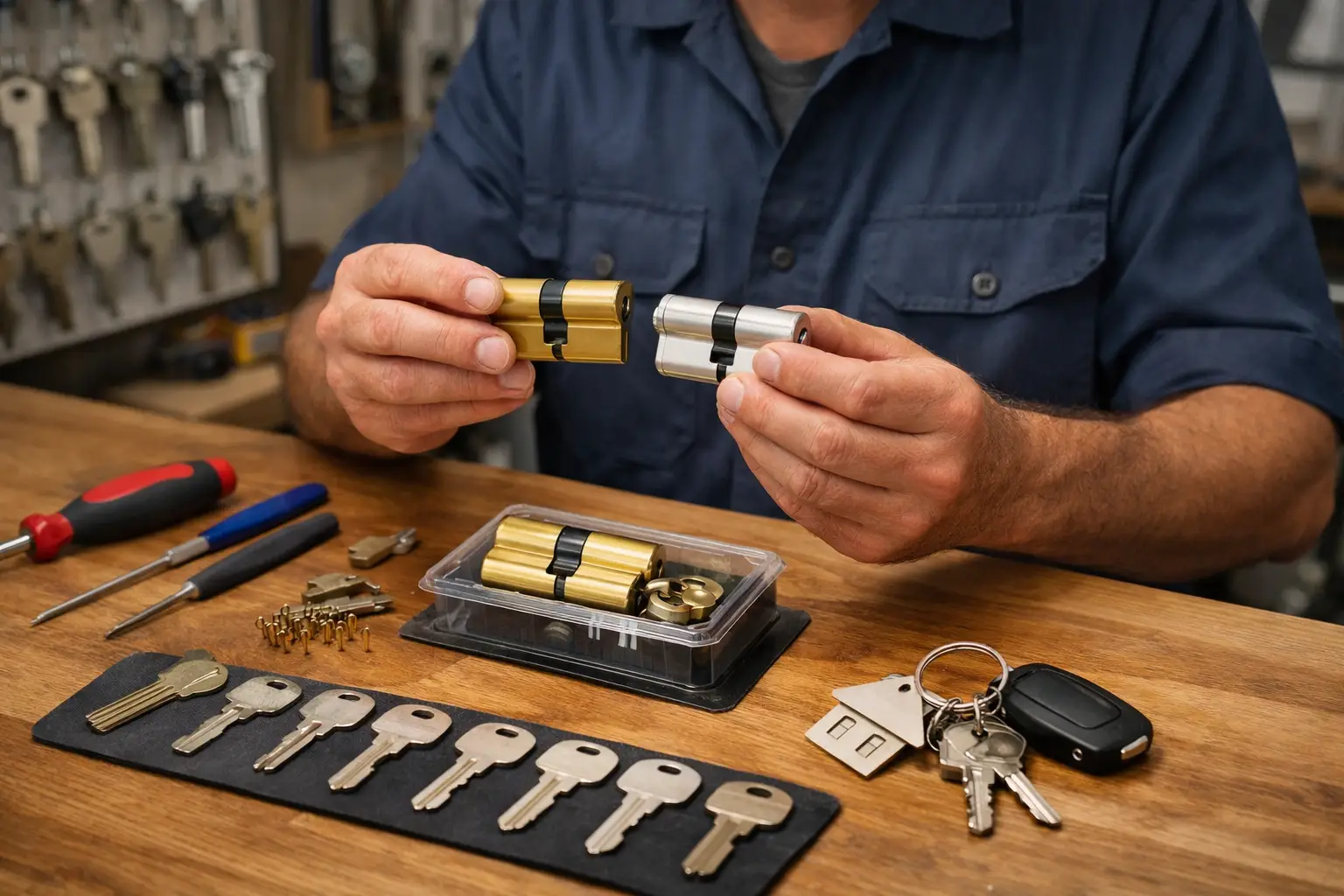
Rekeying changes the internal pin setup inside an existing lock cylinder. The outside hardware stays in place, but the old key no longer operates the lock. A locksmith removes the cylinder, adjusts the pins to match a new key, tests the lock, and provides new working keys.
Lock replacement means removing some or all of the existing lock hardware and installing a new lock. Depending on the door and the problem, that may mean a new deadbolt, knob or lever lock, mortise lock, smart lock, keypad lock, or a complete matched set.
Put simply, rekeying is about changing access. Replacement is about changing access and upgrading or repairing the hardware itself. Both options can be a smart move after a move, tenant turnover, lost key, breakup, employee departure, or security concern. The condition of the lock determines which option gives you real peace of mind.
Rekeying is often the most practical option when the lock is in good condition but you no longer know who may have a key. This is especially common after buying a house. Even if the seller hands over several keys, there is no reliable way to know whether family members, neighbors, dog walkers, contractors, or previous occupants kept copies.
Landlords also benefit from rekeying between tenants. It is a straightforward way to provide a new resident with fresh keys without replacing quality hardware every time a lease changes. For a rental with several exterior doors, a locksmith may also be able to key compatible locks alike, so one key works the front, back, and side door. That can make daily life easier while reducing the number of keys a tenant needs to carry.
Rekeying makes sense when the door lock operates smoothly, the deadbolt extends fully into the strike plate, the key does not stick, and the hardware is still appropriate for the property. It can cost less than installing new hardware because you are keeping the existing lock body and trim.
It is also useful when you want to keep a door’s existing appearance. If you have matching oil-rubbed bronze handles, antique hardware, or locks that match other doors in the house, rekeying can protect your security without disrupting the look of the entryway.
A lock in good working order is a candidate for rekeying after lost or unreturned keys, a recent move, a tenant change, a staff change, or a concern that someone copied a key without permission. Rekeying can also help when you want several compatible locks to work with one new key.
That said, a rekeyed lock is only as dependable as the lock you started with. Changing the pins will not fix a weak deadbolt, a cracked latch, a loose strike plate, or a door that does not line up with the frame.
Lock replacement is the better call when a lock is damaged, worn out, poorly installed, or no longer provides the level of protection you need. A key that requires wiggling, a deadbolt that will not turn easily, a lock cylinder that spins, or a latch that does not catch consistently should not be treated as a simple inconvenience. Those are signs the hardware may be failing.
Replacement is also a good opportunity to improve a home’s security. Older locks may lack features found in current quality deadbolts, and some entry doors have hardware that was chosen for appearance rather than security. A professional can assess the door, frame, strike plate, hinges, and lock type together. A strong deadbolt helps, but its value is limited if the strike plate is attached with short screws or the door frame is soft and damaged.
You may also want replacement if the current locks use different keys and you would prefer a simpler system. Not all brands and lock types can be keyed alike. If your front door has one brand, the garage entry has another, and the side door has a third, replacing selected locks with compatible hardware can give you one convenient key for designated doors.
For commercial spaces, replacement may be needed when access requirements have changed. An office may need a different grade of lock, a keypad entry system, a restricted keyway, or a hardware setup that better suits employee traffic. The goal is not to buy the most complicated lock available. It is to install hardware that fits the door, the use of the space, and the people who need authorized access.
Choose replacement when the lock has been forced, rusted, badly worn, or damaged during a break-in attempt. Replace it when keys repeatedly jam, the deadbolt does not extend correctly, the lock is loose on the door, or the hardware is an older low-security model. A change is also sensible when you want a keypad or smart-lock feature that your existing hardware cannot support.
If someone has attempted to pry open the door, do not focus only on the cylinder. The frame, strike plate, screws, and alignment may need repair as well. A new lock installed on a damaged door frame does not address the full problem.
Price matters, but it should not be the only deciding factor. Rekeying is commonly less expensive than replacement because there is no new lock hardware to purchase. It is often a quick service for a functional lock, particularly when several locks can be rekeyed during the same visit.
Replacement has a wider price range because the cost depends on the lock style, brand, security grade, number of doors, door preparation, and whether repairs are needed. A basic replacement can be simple, while a new smart lock, commercial lever, or door modification takes more time and materials.
Convenience may point either direction. Rekeying can preserve a familiar key and hardware setup while eliminating old-key access. Replacement may be more convenient when it lets you consolidate several doors to one key or move to keyless entry. Smart locks and keypads can be helpful for busy households and rentals, but they still need correct installation, fresh batteries when required, and a plan for backup access.
Security is not automatically better just because a lock is new. A well-installed, quality deadbolt that is rekeyed properly can be a sound choice. On the other hand, retaining a lock that is flimsy or failing just to save money can leave the property vulnerable. The best value is the option that addresses the real issue the first time.
If keys are lost but there is no address or identifying information connected to them, you may decide to monitor the situation and rekey promptly. If a lost key ring includes your address, vehicle registration, business information, or anything that points someone to your property, treat it as a more urgent security issue. Rekeying or replacing exterior locks right away is a sensible precaution.
After a break-in, attempted break-in, or forced door, replacement and repair are usually more appropriate than rekeying alone. Take care of immediate safety first. If the door will not secure, use emergency locksmith help so the property is not left exposed. Then have the lock, door, frame, and strike hardware inspected for damage that may not be obvious at a glance.
For landlords, document the condition of the hardware and make rekeying part of the turnover process. For homeowners, consider rekeying after renovations too. Contractors should be trusted professionals, but keys can change hands on an active project, and a fresh key at the end of the work is an easy finishing step.
There is no need to replace every lock automatically, and there is no benefit in rekeying hardware that has reached the end of its useful life. A qualified locksmith can inspect the lock, ask who may have had access, identify compatibility issues, and explain the practical options before work begins.
Handyman Services Silver Spring MD helps homeowners, landlords, and local businesses with rekeying, lock repair, new lock installation, garage-door locks, and urgent lockout needs. If a damaged frame, loose trim, sticking door, or faulty strike plate is part of the issue, addressing those repairs at the same time can help the new or rekeyed lock work as intended.
When a key is missing or a lock no longer feels right, trust that feeling. A quick professional inspection can turn an uncertain entry door into one you can close, lock, and leave behind with confidence.

A single cracked bathroom tile…

A garage is often where…

A light that flickers every…

A kitchen can look dated…

A commercial door can look…

Contact Number
18004767078

Email ID
[email protected]